Is Wanderlust a Bad Thing? A Balanced Look at the Urge to Roam
Updated November 25, 2026
Wanderlust isn't good or bad in itself — it depends on how you act on it. Here's how to tell healthy curiosity from restless escapism.
Wanderlust gets framed two ways: as a virtue (curiosity, open-mindedness, growth) and as a vice (restlessness, escapism, an itch you can never scratch). The honest answer is that it's neither on its own. The desire to see unfamiliar places is a normal human impulse. Whether it becomes a problem depends almost entirely on what you do with it and why.
What wanderlust actually means
The word combines the German *wandern* (to hike or roam) and *Lust* (desire or longing). It describes a strong pull toward travel and unfamiliar places — not a clinical condition, not a personality flaw. Most people feel it at some point, and for many it's a genuine source of motivation and curiosity.
When wanderlust is a good thing
Seen in a healthy light, wanderlust tends to bring real benefits:
- Curiosity about how others live. It pushes you to learn languages, try unfamiliar food, and question assumptions you grew up with.
- Resilience. Navigating a place where you don't know the rules builds problem-solving and patience.
- Perspective. Seeing how differently things can be organised makes your own habits feel less inevitable.
- Motivation. A trip on the calendar can be a genuine reason to save, plan, and look forward.
None of this requires long-haul flights. A hike in a valley you've never walked, a town two hours away, or a new route up a familiar mountain all feed the same curiosity. Wanderlust is about novelty and attention, not distance.
When it tips into something unhealthy
The same urge can become a problem when it functions as avoidance. Warning signs worth noticing in yourself:
- You travel to escape, not to engage. If every trip is really about not being home, the underlying issue travels with you.
- Restlessness never settles. You return and immediately need the next booking to feel okay. That's less curiosity than a habit of outrunning something.
- It becomes a status project. Checking places off a list for the photos, rather than because you're interested in being there.
- It costs more than you can afford. Debt or neglected responsibilities in service of the next trip is a clear signal to slow down.
- You can't be present where you are. If a place is only ever a backdrop for the next destination, you're collecting rather than experiencing.
The difference between wanting and needing
A useful test: can you enjoy a free weekend at home? If yes, your wanderlust is probably a healthy appetite. If the thought of an unplanned, un-travelled stretch of time makes you anxious, the urge may be doing more work than it should. Wanting to travel is fine. Needing to travel in order to feel alright is worth examining.
How to channel it well
- Go local first. Explore what's close before booking far. Many people find nearby landscapes more rewarding than expected once they pay attention.
- Travel slower. Fewer places, more time in each, tends to produce better memories than a packed itinerary.
- Plan for the return. Think about what you want to bring back — a habit, an idea, a skill — rather than only what you want to leave behind.
- Separate the trip from the identity. You don't have to perform being a traveller. Quiet curiosity is enough.
A note on the aesthetic side
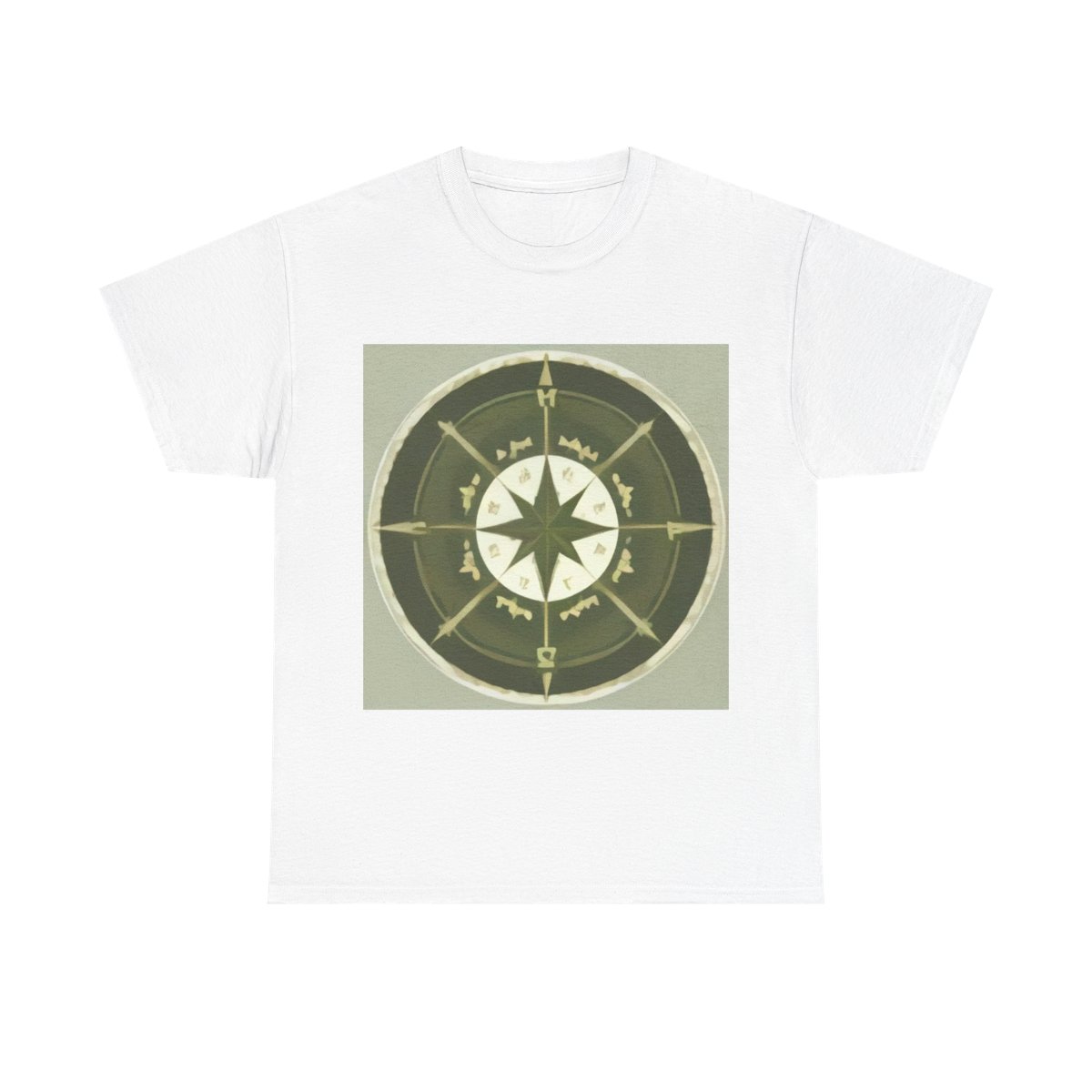
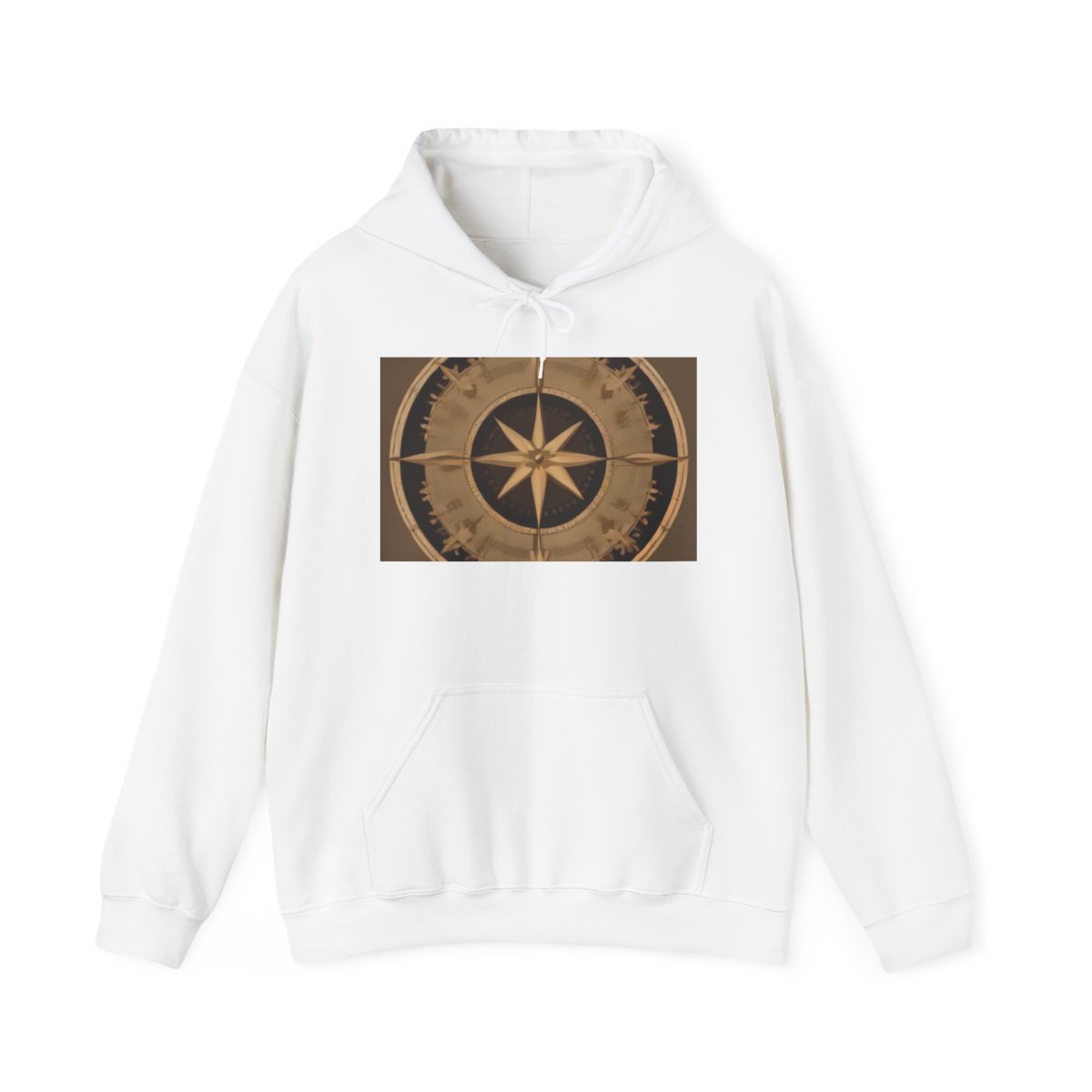
There's nothing wrong with liking the look of a wandering life. Plenty of people wear their attachment to mountains and trails as a small daily reminder to get outside. If that's your thing, something like the Alpine Trail Finder cowbell compass tee or the matching Alpine Trail hoodie is a low-key way to keep the idea close. It's a preference, not a personality — and it won't fix restlessness any more than a poster will.
The short answer
Wanderlust is a bad thing only when it stops being curiosity and starts being avoidance. As an appetite for new places, new routes, and new perspectives, it's one of the more useful instincts a person can have. The question isn't whether to feel it — it's whether you're using it to engage with the world or to get away from your own life.
FAQ
Is wanderlust a mental illness?
No. Wanderlust is a common desire to travel and explore, not a diagnosis. Persistent restlessness that interferes with daily life can be worth discussing with a professional, but the urge to travel itself is not a disorder.
Is it bad to want to travel all the time?
Wanting to travel often is fine. It becomes a concern when it's mainly about escaping something at home, when you can't feel settled anywhere, or when it leads to debt and neglected responsibilities.
How do I know if my wanderlust is healthy?
A simple check: can you enjoy an unplanned weekend at home? If yes, your urge is likely a healthy appetite for novelty. If not being on the move makes you anxious, it may be worth looking at what you're avoiding.
Do I have to travel far to satisfy wanderlust?
No. Novelty and attention matter more than distance. A new local trail, a nearby town, or an unfamiliar route up a familiar mountain can satisfy the same curiosity as a long trip.
Is wanderlust the same as escapism?
They can overlap but aren't the same. Wanderlust is curiosity about unfamiliar places; escapism is using travel to avoid something at home. The difference is usually in the motive, not the destination.