National Hoodie Day Date, Hoodie Weather, and Original Hoodie Design Tips
Updated October 20, 2026
National Hoodie Day is January 21. Hoodie weather means cool layering temps. Here's how to pick original designs, quality fabrics, and a fit that lasts.
When Is National Hoodie Day?
National Hoodie Day is celebrated on January 21 each year. It's an unofficial holiday that honors the hoodie as one of the most comfortable and versatile pieces of clothing ever made. It isn't a public holiday, so nobody gets the day off, but it has become a popular occasion for hoodie fans around the world. The date sits right in the middle of Northern Hemisphere winter, which makes it easy to participate—you're probably wearing a hoodie already.
How People Celebrate
There's no official rulebook. Most people simply wear a favorite hoodie and post a photo online. Some use the day to retire a worn-out hoodie and treat themselves to a new one, gift one to a friend, or finally wash the hoodie they've been living in all winter. Independent artists and small labels often release fresh designs around this time, so it's also a good moment to browse for something original rather than a mass-produced graphic.
What Counts as Hoodie Weather?
Hoodie weather isn't a strict meteorological term—it's a feeling. Generally, it describes cool temperatures where a hoodie is just enough without needing a heavy coat. For many people, that range is around 10°C to 18°C (50°F to 65°F). It's the kind of weather common on autumn afternoons, spring evenings, or mild winter days. A light breeze, an overcast sky, or the first hint of sweater season can all make it feel like hoodie weather.
The exact temperature matters less than your own comfort level. Someone who runs warm might call 8°C hoodie weather, while someone who gets cold easily might layer a hoodie under a jacket well into the teens. In colder climates, the hoodie stops being outerwear and becomes a mid-layer—which is one reason it earns its reputation as a year-round staple.
Choosing Original Hoodie Designs
A good hoodie design starts with artwork that feels personal or tells a story. Nature themes, regional humor, hobby references, and minimalist graphics tend to age better than copied slogans or mass-market templates. The strongest designs connect to something you actually care about, so you're still happy wearing them three winters from now.
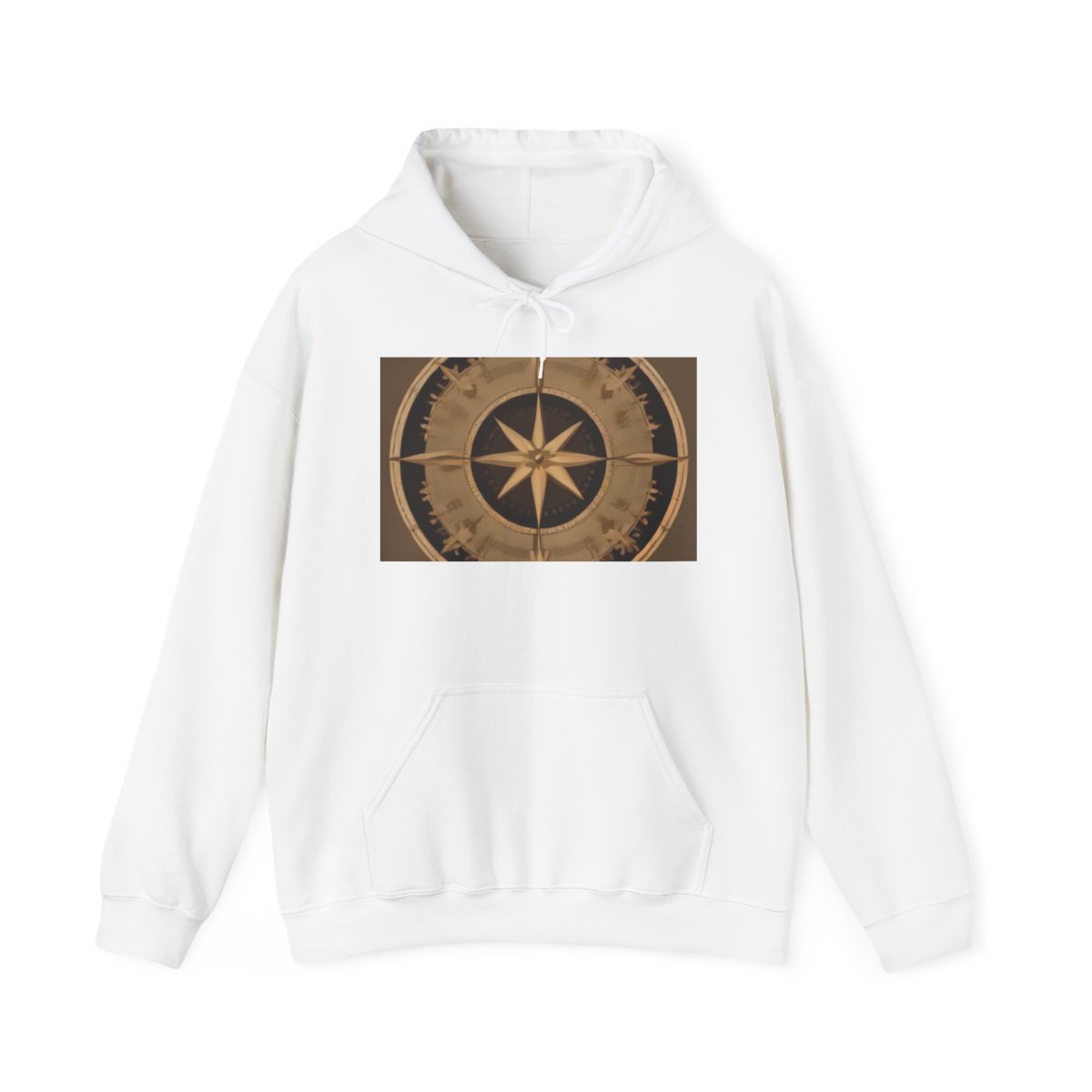
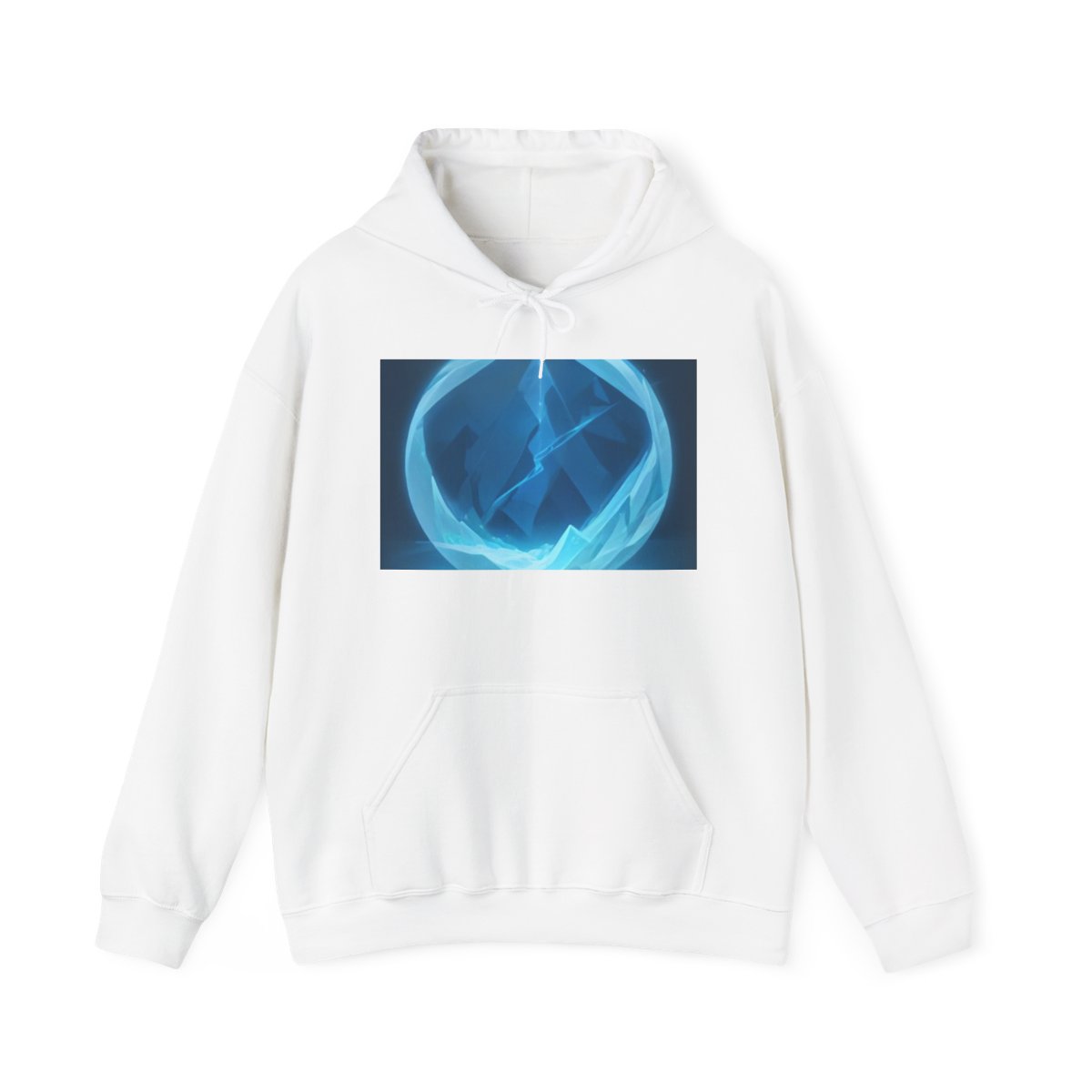
If you enjoy alpine hiking, the Alpine Trail – Cowbell Compass Hoodie uses original artwork inspired by mountain culture. If your world is more tech than trails, the Data Glacier – NVMe Speed Demon Hoodie plays on fast-storage culture instead. The point isn't either specific design—it's choosing something that reflects your own taste rather than whatever is currently trending.
Signs of a trustworthy design store include original in-house artwork, detailed size and fabric information, a range of colors and cuts, honest care instructions, and worldwide shipping from regional facilities.
Fabric, Weight, and Fit
For classic hoodie weather—cool but not freezing—a cotton or cotton-blend hoodie is usually the most comfortable choice. It's breathable, soft, and easy to layer. French terry works well for mild days, while brushed fleece adds extra warmth when temperatures drop.
Details worth checking before you buy:
- Ribbed cuffs and hem – keep warmth in and hold their shape after washing.
- Double-lined hood – adds structure and insulation around your neck.
- Reinforced seams – especially at the shoulders and kangaroo pocket, which take the most stress.
- Fit – a relaxed cut layers easily over a T-shirt or long sleeve; a slimmer cut works better as a standalone piece.
If you plan to wear your hoodie as a mid-layer under a jacket in winter, size up or choose a relaxed fit so it doesn't bunch at the arms.
Why Made-to-Order Hoodies Make Sense
A made-to-order hoodie is produced individually for your order rather than pulled from a warehouse shelf. That has a few practical advantages. There's less waste, because nothing is manufactured in bulk and left unsold. Niche, original designs become viable, since a label doesn't need to gamble on stocking thousands of units. And this approach typically supports independent artists and smaller labels more directly.
The trade-off is time: production is part of the process, so check the estimated delivery window before ordering, and consult the size guide carefully since made-to-order items are created specifically for you.
Caring for Your Hoodie
Good care keeps the fabric soft and the design looking fresh for years:
- Wash inside out in cold water to protect the outer surface and any printed details.
- Tumble dry on low or air dry—high heat shrinks cotton and stresses prints.
- Avoid bleach and fabric softeners, which break down fibers over time.
- Store folded rather than on a hanger to keep the shoulders from stretching.
Summary
National Hoodie Day falls on January 21, and hoodie weather is roughly 10°C to 18°C—cool enough for a layer, mild enough to skip the coat. When shopping for a new hoodie, prioritize original artwork, quality fabric, and a fit suited to your climate. A well-chosen, well-cared-for hoodie will stay cozy for many seasons to come.
FAQ
Is National Hoodie Day an official holiday?
No, it's an unofficial holiday celebrated on January 21. It's not a public holiday, but many people take part by wearing a hoodie, sharing photos online, or picking up a new design.
What temperature is considered hoodie weather?
Hoodie weather typically falls between 10°C and 18°C (50°F to 65°F)—cool enough to want a layer but not cold enough for a heavy coat. In colder weather, a hoodie works well as a mid-layer under a jacket.
How do I pick a hoodie design I won't get tired of?
Choose original artwork tied to your genuine interests—hobbies, nature, regional humor—rather than copied slogans or short-lived trends. If it reflects something you care about, it will age far better than a generic graphic.
What's the difference between made-to-order and ready-made hoodies?
Made-to-order hoodies are produced individually for your order, which reduces waste and allows for more unique, niche designs. Ready-made hoodies are manufactured in bulk and stored until sold, which limits design variety.
How should I wash a hoodie to protect the design?
Turn it inside out, wash in cold water, and tumble dry on low or air dry. Skip high heat, bleach, and fabric softeners, and store it folded to keep its shape.